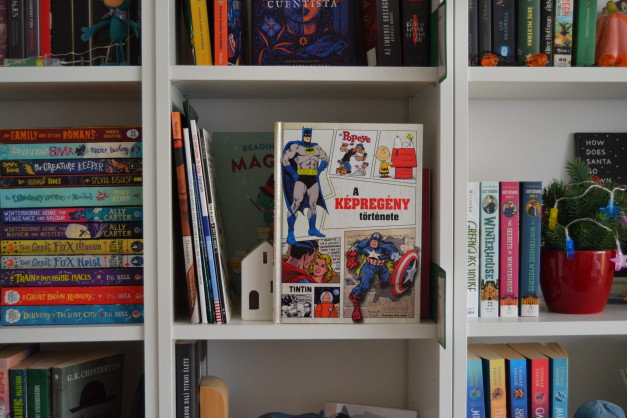
The history of comics
Paloma Corredor. The history of comics* (originally published by Editoral LIBSA, Madrid in 2020 under the title El Cómic) Nowadays, we consume a lot of image-based content on the Internet, so it’s no wonder that comics are also very popular. Storytelling in pictures is as old as humanity itself: even prehistoric people expressed their thoughts with cave drawings. The immediate predecessor of the comics/graphic novel genre was the political caricature published first time in 1830, and then the comics reached their first glory days at the beginning of the 20th century. Geographically, it can be divided into American, European, Latin American and Japanese comics. According to their genre, they can be about superheroes, science-fiction, comedy-satirical, war, fantasy, criminal or historical. They can be addressed to adults or children. Tarzan, Dick Tracy and Flash Gordon were the first representatives of the genre in the United States. They were followed by Superman,…
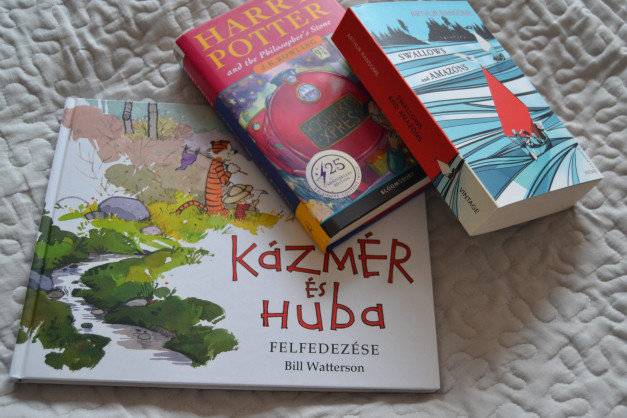
The most expensive books of 2023 on AbeBooks
Since 1996, AbeBooks has provided a place for independent sellers to sell their new and used books and for buyers looking for rarities. In addition to first editions and dedicated copies, you can also find magazines, photos, maps and letters on the site. The millions of books and other items come from sellers from more than 50 countries. It is a subsidiary of Amazon since 2008 and it has several international sites. At the site, I read about the most expensive sales of 2023, from which I highlight the books that I am familiar with. A first edition of Harry Potter sold for £70,000. In 1997, Bloomsbury published only 500 copies, of which 200 were for promotional purposes and 300 were for libraries. One of the latter ones was this book from the Edinburgh Public Library being sold here last year. A total of 27 people borrowed the book before…
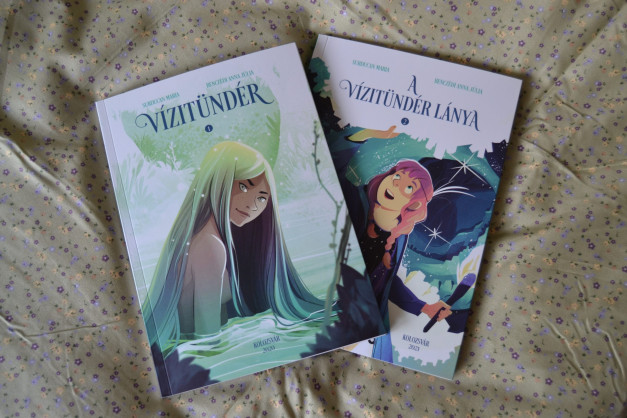
Water fairy
Maria Surducan: The Mermaid (Cluj, 2020) A well-known character of the Eastern European/Russian/Slavic folk tales is the (water) spirit of Rusalka/rusalki with magical powers, who is often translated as mermaid or siren. Its Greek counterparts are nymphs, while their Eastern/Southern Slavic name is vila, which most of us know from Harry Potter. Some people derive the creature of Rusalka from pre-Christian paganism, which was a positive character at the time, symbolizing fertility and good harvest. Only from the 19th century she became a feared creature. The mermaids are also indirectly originated from them. She is usually depicted with long, unbreaded hair, because at that time, according to Slavic traditions, unmarried people had to wear their hair like this and had only wore it in a tight bun when they got married. Maria Surducan’s Water Fairy also has similarly long hair, for which the illustrations were made by Anna Júlia Benczédi.…
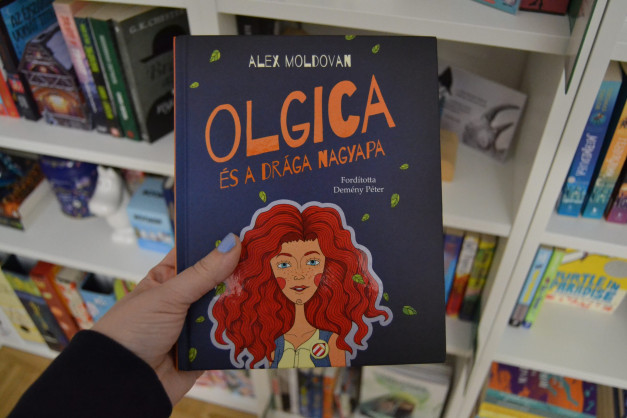
Olgica
Alex Moldovan: Olgica and the Dear Grandpa* (originally publised by Editura Arthur in 2016 under the title Olguța și un bunic de milioane) Many thanks to Cerkabella Könyvkiadó for sending me the book! Olga Tomescu, or Olgica, as her family calls her, is a schoolgirl from Cluj. She is not popular at school, and it doesn’t help that she is super-intelligent – her IQ is incredibly high, she has a pitbull dog and, according to her, she was born as a troublemaker: everything she touches turns to dust and ashes. Our story begins on a Friday afternoon, after school, when Olgica, against her will, has to go with her old aunt to spend the weekend with her. (Olgica’s mother is very ill, and her father works abroad.) In addition, Olgica’s grandfather also appears, with whom her father had such a fight that they broke up totally. What is he up…
Gods of the North
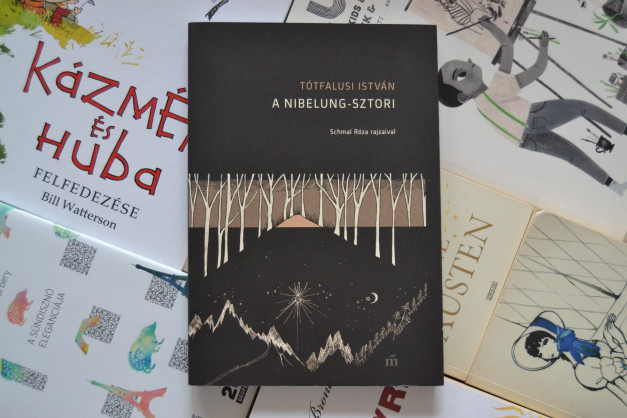
István Tótfalusi: The Nibelung-story* (Magvető Könyvkiadó 2017) People have always been interested in where they came from and how the world was created, because they wanted to believe in something. This is why legends and fairy tales were created. The firsts of these tales come from the Northern lands and later reached the territory of today’s Germany along the Rhine, from where they came to the North again in the early Middle Ages, during the great migration. The name Nibelung has been known since the 10th century and refers to creatures (dwarves) who could make magical objects. One such item was a ring that could rule everything. In order to create their majestic home, the Valhalla, the gods make a deal with the giants, who demand high price for their work. The gods can only redeem themselves with large amounts of gold. However, the gold was not theirs. It was…